
Denture patient information
Welcome to Noyce Denture Clinic
We understand that getting dentures can feel overwhelming. You might have questions about comfort, how they'll look, or whether you'll be able to eat your favourite foods again. This guide is here to help you feel informed and confident every step of the way.
Your first visit: What happens
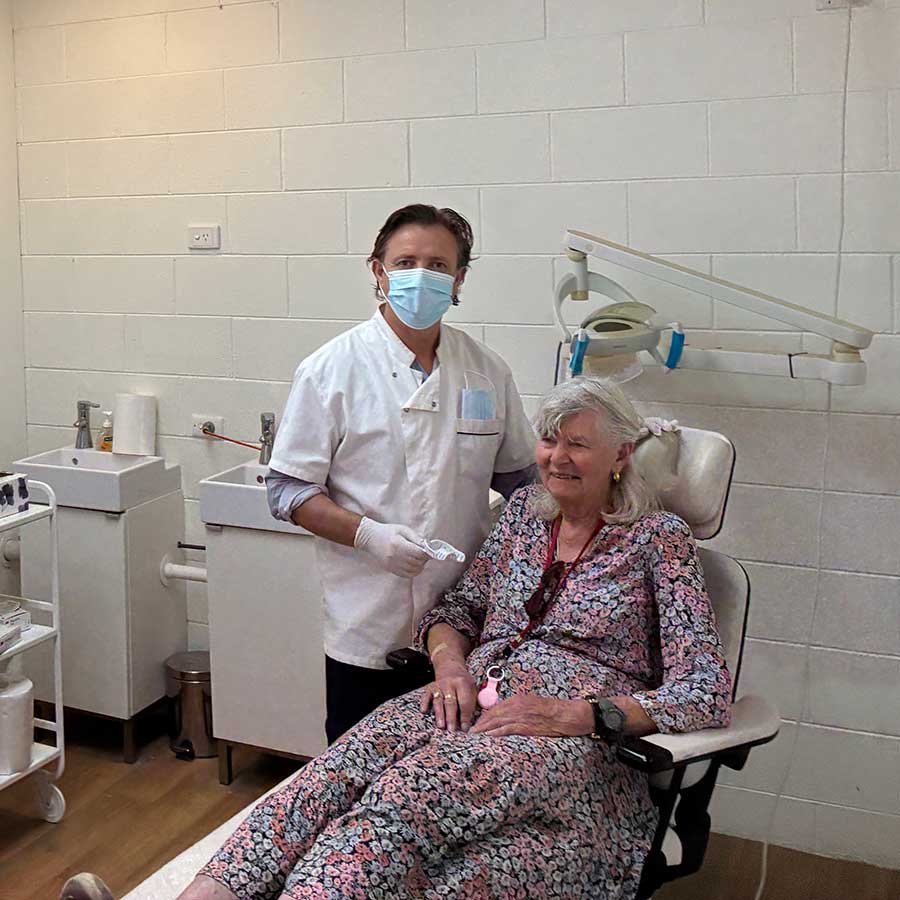
Your first appointment is all about getting to know you and understanding what you need. We'll sit down together in a relaxed setting to talk about your concerns and goals. Maybe you're worried about appearance, or perhaps eating comfortably is your priority; whatever matters to you matters to us.
During this visit, we'll examine your mouth to understand your oral health and discuss which type of denture would work best for you. If needed, we'll take impressions to help design your dentures. Most importantly, we'll explain the entire process step by step, and you'll have plenty of time to ask questions.
Finding the right dentures for you
Not all dentures are the same, and that's a good thing. The right choice depends on how many teeth you're missing, your oral health, and what feels comfortable for you.
Full dentures replace all your teeth on the top or bottom (or both) and help you eat, speak, and smile with confidence. Partial dentures are perfect if you still have some natural teeth; they fill in the gaps while working alongside the teeth you have left.
Some patients prefer flexible dentures, which are made from lighter, more adaptable materials that can feel more comfortable. Others choose chrome dentures, which use a thin metal framework for extra strength and durability.
Each option has its advantages, and we'll help you understand which makes the most sense for your situation. Keep in mind that getting used to any new denture takes time, and that's completely normal.
The denture process - step by step
Getting dentures isn't instant, but each stage is designed to ensure your dentures fit properly and feel comfortable.
First, we'll assess your mouth and take a precise impression. Think of these as blueprints for your new dentures. Then comes the try-in stage, where you'll see how your dentures look and feel before we finalise them. This is your chance to tell us if anything needs adjusting.
Once we've made any necessary tweaks, we'll fit your completed dentures and make sure they're comfortable and stable. Even after that, you might need a few minor adjustments as your mouth gets used to them. This is all part of the process, and we'll be with you every step of the way.
When things don't feel right
Even the best-fitted dentures can sometimes need attention. Here's what to do if you run into common issues.
If your denture breaks, stop wearing it right away and give us a call. Don't try to fix it yourself with household glue; this usually makes things worse and can make professional repairs more difficult. Just keep all the pieces safe and bring them in.
Dentures can become loose over time as your mouth naturally changes shape. If this happens, avoid using denture adhesive as a permanent solution. A professional reline or adjustment will give you a much better result.
Sore spots and discomfort can happen, especially when you're first adjusting. If the pain doesn't go away after a day or two, take your dentures out and contact us. We can make small adjustments that make a big difference to your comfort.
Having trouble eating or speaking? This is common in the early days. Start with softer foods, cut things into smaller pieces, and chew on both sides of your mouth. For speaking, try reading aloud to practice. If difficulties continue beyond the first few weeks, let us know.
Contact us right away if your denture breaks suddenly, becomes unwearable, or causes severe pain. Prompt attention prevents further damage and gets you back to normal faster.
Getting used to your new dentures
Be patient with yourself. Your mouth needs time to adapt to something new, and that's perfectly normal. In the first few days, your dentures might feel strange, you might produce more saliva than usual or notice slight movement when you talk or eat. These sensations typically settle down as you adjust.
When it comes to eating, take it slow. Soft foods are your friend at first. Think, for example, of mashed potatoes, scrambled eggs, or yogurt. As you gain confidence, you can gradually introduce other foods. Remember to cut everything into small pieces and chew slowly on both sides.
Speaking might feel awkward initially. Your tongue and muscles need to relearn how to form certain sounds. Reading aloud to yourself is one of the best ways to practice. Most people find their speech returns to normal within a couple of weeks.
That said, if you're experiencing ongoing pain, your dentures feel very loose, or you're struggling to wear them even after the first few weeks, we need to know. Follow-up adjustments are common and help ensure your dentures work properly.
Taking care of your dentures
Good daily care keeps your dentures comfortable and helps them last longer. Clean them every day with a soft brush and denture cleanser; regular toothpaste can be too abrasive. When you're not wearing them, store them in clean water to prevent them from drying out or warping.
Handle your dentures carefully. Don't use hot water (it can distort the shape) and try not to drop them on hard surfaces. And just like we mentioned earlier, avoid DIY repairs.
Even though you have dentures, oral hygiene still matters. Clean your gums, tongue, and the roof of your mouth daily. This keeps your mouth healthy and your breath fresh.
Finally, don't skip your regular check-ups. Your mouth changes over time, and periodic reviews help us ensure your dentures still fit well and function as they should.
We're here to help
Getting dentures is an adjustment, but you're not going through it alone. If you have questions, concerns, or if something just doesn't feel right, reach out to us. We're here to make sure your dentures work well and feel comfortable, so you can get back to enjoying life.
Do you have questions before your first appointment? Don't hesitate to call us. We're happy to chat and help you feel prepared.